
🐾 Epic Tails Academy (Quarterly Event) • Learn More ›
How to Improve Your Dog’s Bad Breath With Proper Dental Care

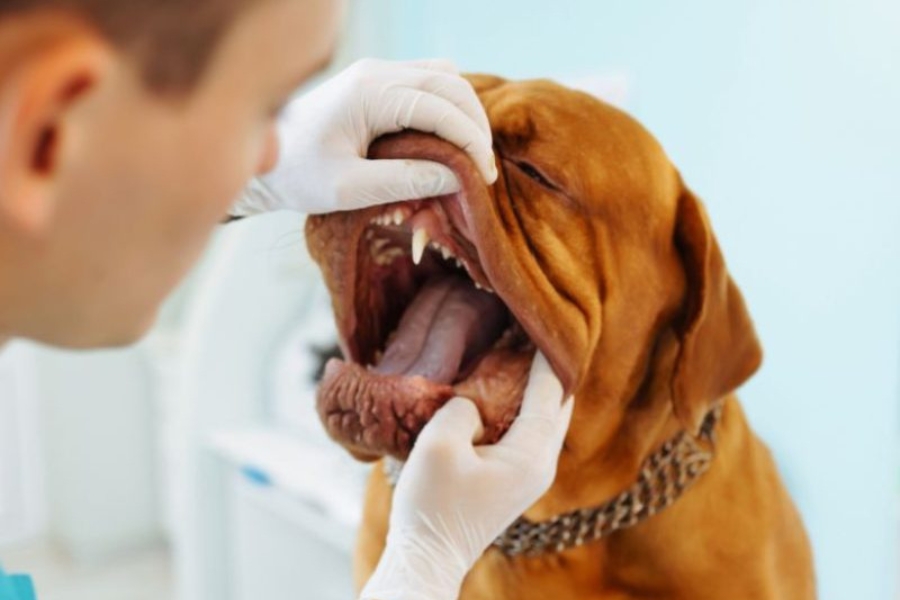
Bad breath in dogs is more than just an unpleasant smell—it often signals deeper oral health problems. While many pet owners ignore mild odor, persistent bad breath can point to plaque buildup, gum disease, or infections that affect your dog’s overall well-being. Fortunately, with the right approach, you can dramatically improve your dog’s breath and protect their long-term health.
Dental hygiene plays a vital role in your dog’s daily comfort and quality of life. When bacteria collect along the gum line, they release foul-smelling gases and cause inflammation. Over time, this can lead to pain, tooth loss, and even organ damage if bacteria enter the bloodstream. That is why early prevention and consistent oral care matter.
If you are a pet parent searching for reliable guidance and professional support, this comprehensive guide will help you understand the causes of bad breath and the most effective solutions tailored for dogs living in Charlotte , NC.
Why Do Dogs Develop Bad Breath?
Understanding the cause of bad breath is the first step toward fixing it. While occasional odor after meals is normal, chronic halitosis is not.
Plaque and Tartar Buildup
First, food particles mix with saliva and bacteria to form plaque. If plaque remains untreated, it hardens into tartar within days. As a result, bacteria thrive and release strong odors.
Gum Disease
Next, plaque irritates the gums and leads to gingivitis. When inflammation worsens, periodontal disease develops. This condition causes bleeding gums, pain, and severe bad breath.
Poor Diet Choices
Additionally, low-quality food and table scraps often stick to teeth and accelerate bacterial growth. Sugary treats make the problem even worse.
Underlying Health Issues
In some cases, bad breath may indicate kidney disease, diabetes, or gastrointestinal issues. Therefore, professional evaluation is essential when odor persists.
How Proper Dental Care Improves Your Dog’s Breath
Consistent oral hygiene does more than freshen breath—it prevents disease and improves overall health.
Daily Tooth Brushing Makes a Huge Difference
Brushing your dog’s teeth removes plaque before it turns into tartar. Although it may feel challenging at first, most dogs adapt with patience and positive reinforcement. Use a pet-safe toothpaste and a soft brush designed for dogs.
Dental Chews and Toys Support Oral Health
In addition to brushing, dental chews help scrape plaque from teeth while satisfying your dog’s natural chewing instinct. Look for products approved by veterinary dental organizations for best results.
Balanced Nutrition Reduces Bacteria
High-quality dog food supports oral health by reducing residue and strengthening gums. Avoid sugary treats and processed snacks whenever possible.
Professional Cleanings Are Essential
Even with home care, some plaque remains below the gum line. Professional cleanings remove hidden bacteria and allow early detection of dental problems. This is where dog dental care plays a critical role in preventing long-term complications.
Signs Your Dog Needs Dental Attention
While bad breath is the most obvious symptom, other warning signs should never be ignored.
- Red or swollen gums
- Yellow or brown tartar on teeth
- Difficulty chewing or dropping food
- Pawing at the mouth
- Excessive drooling
If you notice any of these signs, prompt veterinary care can prevent pain and tooth loss.
How Often Should You Care for Your Dog’s Teeth?
Consistency is key when it comes to oral hygiene.
- Daily brushing offers the best protection
- Weekly checks help catch early changes
- Annual professional exams ensure deep cleaning and monitoring
By combining home routines with professional support, you create a complete oral care plan that truly works.
The Role of Professional Veterinary Dental Services
While at-home care is essential, it cannot replace professional treatment. Veterinary dental exams include thorough oral assessments, digital X-rays when needed, and safe cleanings under anesthesia.
Professional dog dental care helps eliminate infection, protect jaw health, and restore fresh breath. Most importantly, it improves your dog’s comfort and lifespan.
Bad breath is not something dog owners should simply tolerate. With the right dental routine, you can eliminate odor, prevent disease, and improve your dog’s overall health. From daily brushing to professional cleanings, every step makes a difference.
If you are in Charlotte , NC and looking for a dog dental care, don’t hesitate to book an appointment with Epic Tails Veterinary Clinic today. Our veterinary team is dedicated to keeping your dog healthy, comfortable, and smiling with fresh breath for years to come.
FAQs
Q1. Why does my dog have bad breath even after brushing?
Ans. Bad breath may persist if plaque has hardened into tartar below the gum line. In such cases, professional dental cleaning is necessary to fully remove bacteria and odor.
Q2. How often should I brush my dog’s teeth?
Ans. Ideally, you should brush your dog’s teeth daily. However, brushing at least three to four times a week can still significantly reduce plaque buildup and bad breath.
Q3. Are dental chews effective for improving bad breath?
Ans. Dental chews help reduce plaque and freshen breath, but they work best when combined with regular brushing and routine veterinary dental checkups.
Q4. Can bad breath indicate serious health problems in dogs?
Ans. Yes. Persistent bad breath can signal gum disease, tooth infections, or underlying health conditions such as kidney or digestive issues.
Q5. At what age should dogs start dental care?
Ans. Dogs should begin dental care as puppies. Early brushing helps them get comfortable with oral hygiene and prevents dental issues later in life.
Q6. When should I take my dog to the vet for bad breath?
Ans. If your dog’s bad breath lasts more than a few days or is accompanied by symptoms like swollen gums, difficulty eating, or excessive drooling, a veterinary visit is recommended.
Schedule Your Pet’s Visit Today
For dedicated and professional veterinary care designed to meet your pet's specific needs, please schedule an appointment.