
🐾 Epic Tails Academy (Quarterly Event) • Learn More ›
Best Food for Senior Cats: Nutritional Guide for Aging Cats

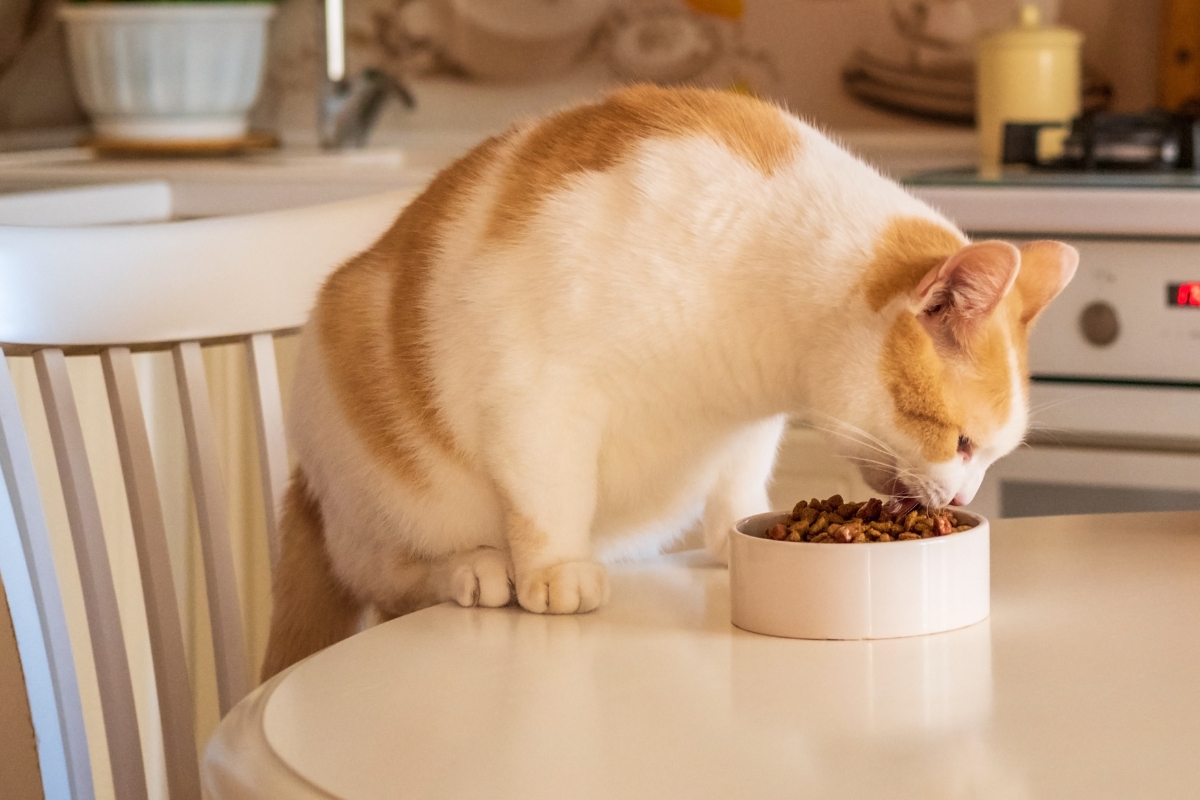
As cats grow older, their nutritional needs change significantly. Feeding your senior cat the right food can improve their quality of life, maintain energy levels, and help prevent many age-related health issues. However, choosing the best diet for an aging cat often feels confusing, especially with so many food options available today.
Senior cats experience natural changes in metabolism, digestion, and muscle mass. Therefore, the food you choose plays a direct role in how comfortably your cat ages. With proper nutrition, you can support healthy joints, protect vital organs, and ensure your feline companion enjoys their golden years.
This guide explores the best foods for senior cats, explains essential nutrients, and offers practical feeding tips designed for pet owners in Charlotte , NC.
Understanding Senior Cat Nutrition
First and foremost, it is important to understand when a cat becomes a senior. Most cats enter their senior years between seven and ten years of age. During this stage, their bodies process nutrients differently, and their activity levels often decrease.
As a result, senior cats require food that supports muscle maintenance, joint health, digestion, and immune function. Unlike kittens or adult cats, aging felines benefit from targeted nutrition that addresses these specific needs. This is where thoughtful senior cat care becomes essential.
Key Nutritional Components for Senior Cats
High-Quality Protein for Muscle Support
As cats age, they naturally lose muscle mass. High-quality animal protein helps preserve lean muscle and supports organ health. Look for foods where chicken, turkey, or fish appears as the first ingredient. Protein also strengthens the immune system and supports tissue repair.
Controlled Fat Levels for Healthy Weight
While fat provides energy, excessive fat intake can lead to weight gain in less active senior cats. Therefore, choose foods with moderate fat content. This balance helps maintain a healthy weight while still providing enough energy for daily activities.
Fiber to Aid Digestion
Digestive issues such as constipation become more common in older cats. Foods with added fiber promote smoother digestion and help regulate bowel movements. Fiber also supports gut health and reduces hairball formation.
Essential Fatty Acids for Skin and Joints
Omega-3 and Omega-6 fatty acids reduce inflammation, support joint mobility, and improve skin and coat condition. These nutrients are especially beneficial for cats experiencing stiffness or arthritis.
Vitamins and Minerals for Overall Health
Antioxidants like vitamins E and C protect cells from damage and support immune health. Additionally, balanced minerals such as calcium and phosphorus help maintain bone strength without overloading aging kidneys.
Types of Food Suitable for Senior Cats
Wet Food
Wet food contains high moisture content, which supports hydration and kidney health. It is also easier to chew, making it ideal for cats with dental sensitivity. Many senior cats prefer wet food because of its texture and aroma.
Dry Food
Dry food is convenient and helps reduce plaque buildup. However, senior cats eating dry food should always have access to fresh water. Combining dry and wet food often provides the best balance.
Prescription Diets
Some senior cats develop medical conditions such as kidney disease, diabetes, or gastrointestinal issues. In such cases, veterinarians may recommend prescription diets specifically formulated to manage these conditions safely.
Top Recommended Foods for Senior Cats
Several trusted brands formulate food specifically for aging cats. Popular options include:
- Hill’s Science Diet Senior – Balanced nutrition with antioxidants and digestible protein
- Royal Canin Aging 12+ – Supports joints, digestion, and appetite stimulation
- Blue Buffalo Healthy Aging – Natural ingredients with added vitamins and minerals
- Purina Pro Plan Focus Senior – High protein with targeted nutrients for vitality
- Wellness CORE Grain-Free Senior – Protein-rich and supports healthy aging
Always consult your veterinarian before switching foods to ensure the formula matches your cat’s health needs.
Practical Tips for Feeding Senior Cats
Introduce New Foods Gradually
Sudden diet changes can upset digestion. Slowly mix new food with old food over seven to ten days.
Monitor Weight and Appetite
Unexplained weight loss or gain may signal underlying health problems. Regular monitoring allows early intervention.
Provide Fresh Water Daily
Hydration supports kidney function and overall health. Encourage water intake with clean bowls or fountains.
Offer Smaller, Frequent Meals
Senior cats often digest food better when they eat smaller portions throughout the day.
Schedule Regular Veterinary Checkups
Routine exams help adjust diet plans as your cat’s needs change. Professional guidance ensures proper senior cat care throughout every life stage.
Why Diet Matters More as Cats Age
Nutrition directly affects mobility, energy, and organ function in older cats. Poor diet choices can worsen arthritis, weaken immunity, and accelerate disease progression. On the other hand, proper nutrition supports comfort, longevity, and emotional well-being.
By focusing on quality ingredients and age-appropriate formulas, you help your cat remain active and comfortable. A thoughtful diet plan also reduces the need for future medical intervention.
Choosing the best food for your senior cat is one of the most important decisions you can make as a pet parent. Proper nutrition supports healthy aging, improves comfort, and enhances quality of life. By prioritizing protein, hydration, and balanced nutrients, you give your cat the best chance to thrive in their later years.
If you are in Charlotte and need guidance related to best foods for senior cats, book an appointment with Epic Tails Veterinary Clinic. Our veterinary team is committed to helping your feline companion age gracefully with personalized nutritional and medical support.
FAQs
Q1. What age is considered senior for cats?
Ans. Most cats are considered seniors between 7 and 10 years old. At this stage, their metabolism slows and their nutritional needs change.
Q2. Should senior cats eat food made specifically for aging cats?
Ans. Yes. Senior cat food is formulated to support muscle maintenance, digestion, joint health, and immune function, which are essential as cats age.
Q3. How often should I feed my senior cat each day?
Ans. Senior cats often benefit from two to three smaller meals per day, as this helps with digestion and keeps energy levels stable.
Q4. Is wet food necessary for senior cats?
Ans. Wet food is highly beneficial because it provides extra moisture, supports kidney health, and is easier to chew for cats with dental sensitivity.
Q5. Can diet help manage age-related health issues in cats?
Ans. Yes. Proper nutrition can support joint health, maintain a healthy weight, and help manage conditions such as arthritis or digestive problems.
Q6. When should I consult a veterinarian about my senior cat’s diet?
Ans. You should consult a veterinarian if your cat experiences weight changes, reduced appetite, digestive issues, or any decline in energy or mobility.



Schedule Your Pet’s Visit Today
For dedicated and professional veterinary care designed to meet your pet's specific needs, please schedule an appointment.