
🐾 Epic Tails Academy (Quarterly Event) • Learn More ›
Veterinarian-Recommended Tips for Senior Pet Care: A Complete Guide


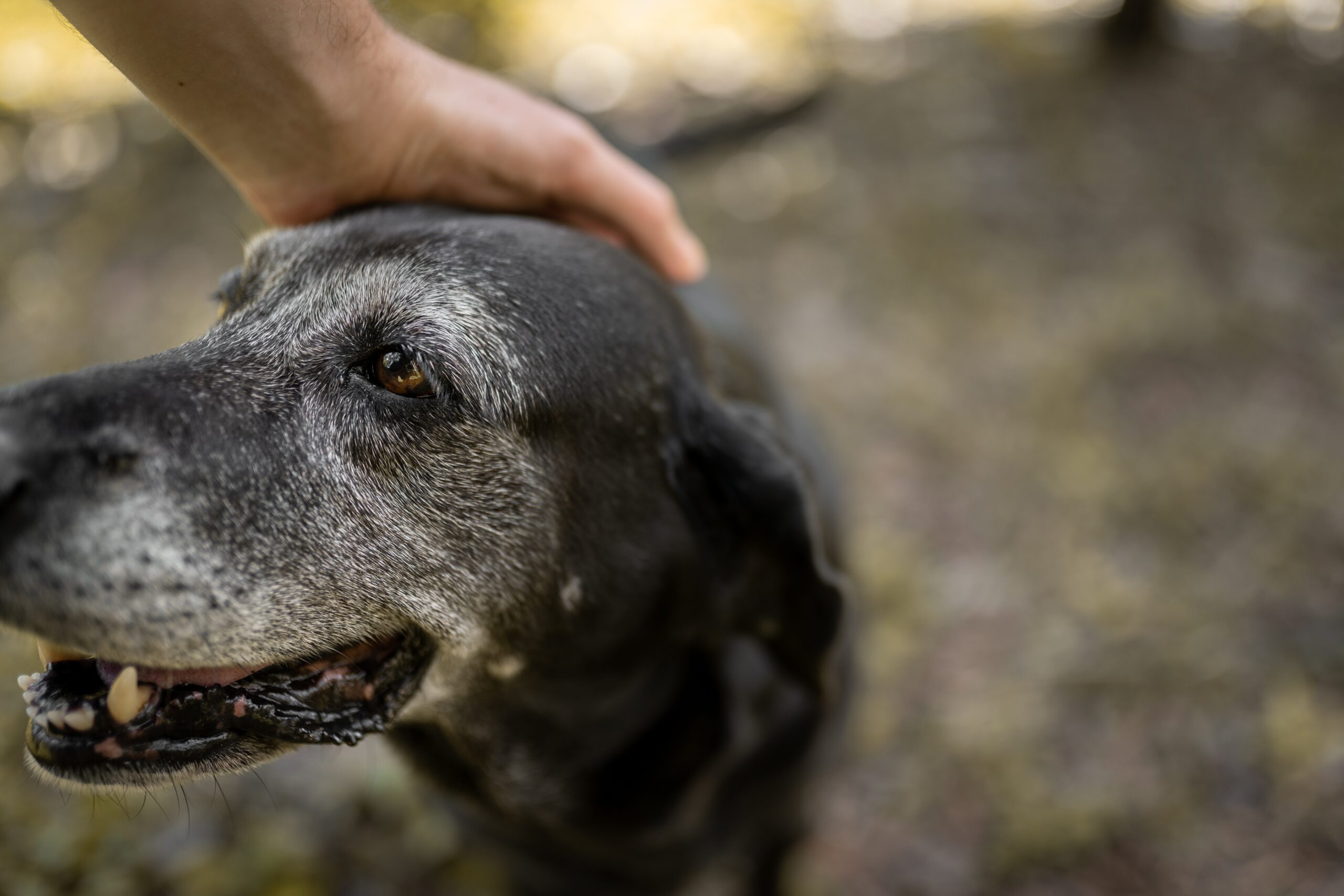
As our pets age, they enter a new phase of life where their needs change, and their health can require more attention. Senior pets, just like humans, go through changes in mobility, energy, and health that require a tailored approach to care. If you’re the proud owner of a senior pet, ensuring their comfort and happiness is essential to maintaining their well-being in their golden years.
This blog is especially for pet owners in Charlotte, NC, looking to provide the best senior pet care. Whether you have a dog or a cat, these veterinarian-recommended tips will help you address the common health concerns senior pets face and equip you with the knowledge to make the best decisions for their health. From diet changes to regular vet visits, we’ll guide you through the key steps to ensure your pet enjoys a long, healthy life.
Understanding Senior Pet Health: Why It’s So Important
Senior pets are typically considered those aged 7 and older, though this varies by breed and size. Larger dogs tend to age faster than smaller breeds, which means they might develop age-related health issues sooner. Cats, on the other hand, may show signs of aging later, but their health can still deteriorate in their senior years.
As your pet ages, they may become more prone to joint pain, arthritis, dental disease, and even cognitive dysfunction, which can lead to behavioral changes. Properly caring for your senior pet means understanding these conditions, recognizing the signs early, and taking steps to ensure their comfort and health. Regular check-ups with your veterinarian are crucial for catching any underlying health issues early, enabling timely intervention.
Essential Tips for Caring for Senior Pets
1. Adjust Their Diet
As pets grow older, their nutritional needs change. Senior pets generally require fewer calories, but they still need a balanced diet that provides essential nutrients. Older pets may also have issues like reduced digestive efficiency, making it more important than ever to offer the right food.
What You Need to Know:
- Choose Senior-Specific Food: Senior pet food is formulated with lower fat, more fiber, and the right balance of vitamins and minerals to support the health of aging pets.
- Control Weight: Older pets tend to gain weight more easily, which can exacerbate joint issues and lead to other health problems. Portion control and regular exercise are essential.
- Hydration: Dehydration is a common problem in senior pets, particularly for those with kidney issues. Make sure your pet always has access to fresh water and consider adding wet food to their diet for extra hydration.
2. Joint Health and Mobility
Joint pain is one of the most common problems in senior pets. Arthritis and hip dysplasia are particularly common in dogs, especially in larger breeds. Even cats can experience arthritis as they age. As mobility decreases, it can affect your pet’s quality of life.
What You Need to Know:
- Joint Supplements: Adding glucosamine and chondroitin supplements to your pet’s diet can help support joint health and reduce inflammation.
- Gentle Exercise: Regular, low-impact exercise, such as short walks or play sessions, can keep your pet’s joints flexible and their muscles strong.
- Comfortable Bedding: Ensure your pet has a soft, comfortable bed to lie on, preferably with orthopedic support, to reduce joint pressure while they rest.
3. Dental Health
Dental disease is common in senior pets, and it can lead to severe health problems, such as heart disease and kidney issues. As pets age, they may develop plaque and tartar buildup, leading to gingivitis, tooth loss, and pain.
What You Need to Know:
- Brushing Teeth: Start a routine of brushing your pet’s teeth using a pet-safe toothbrush and toothpaste. Even older pets benefit from regular brushing to prevent plaque buildup.
- Dental Check-ups: Schedule regular veterinary dental exams. Your vet may recommend professional cleanings to maintain good oral health.
- Dental Chews: Provide dental chews that can help keep teeth clean and reduce plaque buildup. Always choose those that are designed specifically for your pet’s size and dental needs.
4. Monitor for Cognitive Dysfunction
Just like humans, pets can experience changes in cognitive function as they age. Cognitive dysfunction syndrome (CDS) is a condition that can affect senior pets, causing confusion, disorientation, and behavioral changes. Early recognition of this condition can help you manage it and improve your pet’s quality of life.
What You Need to Know:
- Signs of CDS: Common signs include disorientation, changes in sleep patterns, house-soiling accidents, and decreased interest in socializing.
- Provide Routine: Keeping a consistent daily routine helps your pet feel more secure and can reduce confusion. Stick to regular feeding times and provide familiar surroundings.
- Mental Stimulation: Engage your pet in mental exercises, such as puzzle toys, to keep their mind sharp and help combat cognitive decline.
Preventative Care for Senior Pets
1. Regular Veterinary Check-ups
As pets age, regular veterinary visits become even more important. Senior pets should be examined at least twice a year to monitor their health and address any emerging concerns. These check-ups allow your vet to catch early signs of illness or disease, ensuring timely treatment.
What to Expect at Senior Pet Check-ups:
- Blood Work: Routine blood tests help monitor organ function and detect conditions such as kidney disease, liver disease, or diabetes.
- Physical Exam: Your vet will check your pet’s joints, teeth, and overall health, making recommendations for pain management or other interventions as necessary.
- Vaccinations: While senior pets may not need as many vaccinations, it’s important to keep their shots up to date, especially for diseases like rabies.
2. Parasite Prevention
Senior pets are just as susceptible to parasites as younger pets, but their immune systems may not be as strong. Fleas, ticks, and intestinal worms can cause significant problems in senior pets, including discomfort, infections, and even severe diseases.
What You Need to Know:
- Flea and Tick Control: Use age-appropriate flea and tick preventatives to protect your pet from these common parasites.
- Deworming: Senior pets should be regularly dewormed to prevent intestinal parasites that can cause digestive issues or more serious health complications.
3. Pain Management
Pain management is essential for senior pets, especially those suffering from arthritis or injuries. Uncontrolled pain can make your pet miserable and limit their ability to move freely. Fortunately, there are many ways to manage pain and help your pet live a more comfortable life.
What You Need to Know:
- Pain Relievers: Your vet can prescribe pain relievers or anti-inflammatory medications to manage arthritis or other pain-related issues.
- Alternative Therapies: Acupuncture, physical therapy, and laser treatments may provide pain relief for your senior pet.
- Weight Management: Keeping your pet at a healthy weight can help reduce stress on their joints, alleviating some of the pain caused by arthritis.
Helping Your Senior Pet Thrive
1. Create a Comfortable Environment
Senior pets often need a more comfortable living space to accommodate their changing needs. Make small adjustments around the house to ensure your pet’s comfort and mobility.
What You Need to Know:
- Orthopedic Bedding: Provide soft bedding to reduce pressure on your pet’s joints and ensure a restful sleep.
- Ramps and Stairs: Install ramps or stairs to help your pet get onto furniture or into the car without straining their joints.
- Safe Environment: Keep your home free of obstacles that could cause injury. Senior pets may struggle with balance or vision, so a clear path is essential.
2. Emotional Well-being
Senior pets may also go through changes in their emotional needs. They may become more anxious, require more affection, or want to rest more often. Showing your pet extra attention and affection will help them feel secure and loved.
What You Need to Know:
- Quality Time: Spend quality time with your pet to strengthen your bond. Gentle play, petting, or simply sitting together can be comforting.
- Routine: Maintain a consistent routine to help your pet feel more at ease and reduce any stress from sudden changes.
Caring for Your Senior Pet
Caring for a senior pet requires patience, understanding, and a proactive approach. By addressing their changing nutritional needs, managing their joint health, maintaining dental hygiene, and providing regular veterinary care, you can help ensure your senior pet enjoys a happy, comfortable life. Senior pets may face challenges, but with the right care, they can remain loyal and loving companions for many years to come.
If you’re in Charlotte and looking for senior pet care near you, schedule a consultation with Epic Tails Veterinary Clinic today. Contact us to book an appointment today and let our veterinary team help your pet live their best life. Contact us to ensure your senior pet’s health and well-being.
FAQs
Q1. At what age is a pet considered senior?
Ans. Pets are usually considered senior at 7 years old, but this can vary by breed. Larger breeds tend to age faster, while smaller breeds may remain active for longer.
Q2. How often should I take my senior pet to the vet?
Ans. Senior pets should see the vet at least twice a year for check-ups, which allows your vet to monitor their health and catch any potential issues early.
Q3. What are the signs that my senior pet is in pain?
Ans. Common signs of pain in senior pets include limping, difficulty moving, changes in behavior, and reluctance to engage in activities they used to enjoy.
Q4. How can I help my senior pet with joint pain?
Ans. Joint supplements, regular gentle exercise, and a comfortable bed can help alleviate joint pain in senior pets. Speak with your vet about pain management options.
Q5. Should I adjust my senior pet’s diet?
Ans. Yes, senior pets often need a diet lower in calories but higher in nutrients. Consult your vet for recommendations on the best food for your aging pet.
Q6. Are there any local parks in Charlotte that are good for senior pets?
Ans. Yes, Charlotte has several dog-friendly parks, like Freedom Park, where you can take your senior pet for a leisurely walk. Make sure to keep the pace gentle to avoid strain on their joints.


Schedule Your Pet’s Visit Today
For dedicated and professional veterinary care designed to meet your pet's specific needs, please schedule an appointment.