
🐾 Epic Tails Academy (Quarterly Event) • Learn More ›
Senior Dog Care: 10 Changes Every Pet Parent Should Watch For

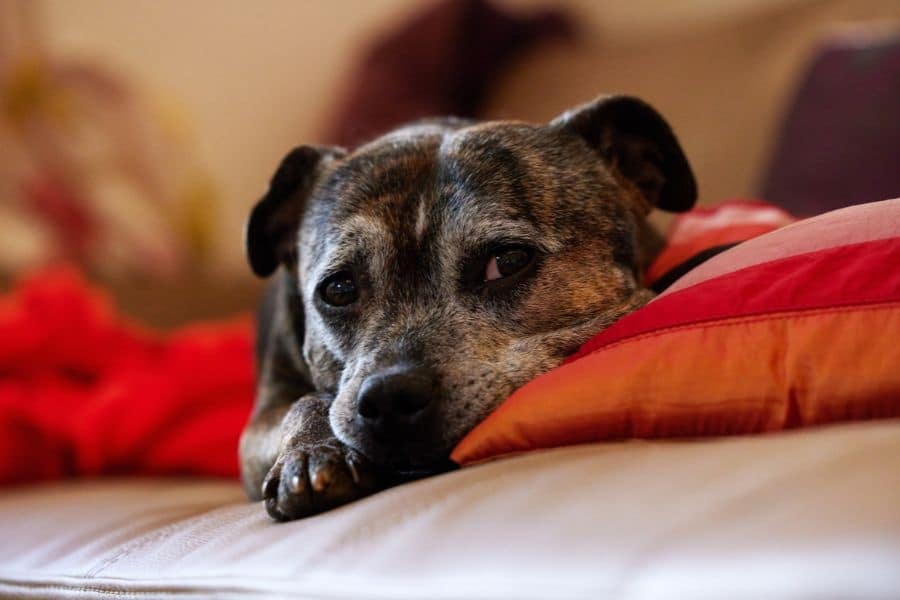
Dogs do not suddenly become seniors overnight. Aging happens gradually, and many changes can be easy to overlook. A dog may sleep a little longer, move more slowly, or become less interested in activities they once loved. These changes can be part of normal aging, but they can also point to health concerns that deserve attention.
Good senior dog care means knowing what is normal for your individual pet and noticing when something changes. Regular veterinary visits, balanced nutrition, appropriate activity, dental care, and close observation at home can all help older dogs maintain comfort and quality of life.
For families in Charlotte, understanding the signs of aging can make it easier to recognize changes early. Here are 10 important changes every pet parent should watch for as their dog enters the senior years.
Changes in Mobility
One of the first things many owners notice is that an older dog does not move as easily as before. Your dog may take longer to stand after resting, hesitate before climbing stairs, or avoid jumping onto furniture.
You may also notice:
- A slower walking pace
- Stiffness after sleeping
- Difficulty getting into the car
- Reluctance to use stairs
- Less interest in running or playing
These changes can be associated with age related joint problems or other physical conditions. Senior dogs should not be expected to simply live with significant discomfort. A veterinarian can assess mobility and recommend appropriate supportive care.
Changes in Activity Levels
Older dogs often need more rest. However, a major decline in activity deserves attention.
If your dog suddenly stops playing, avoids walks, or spends much more time sleeping than usual, consider whether something has changed. Pain, weakness, weight changes, and other health concerns can affect energy levels.
Senior dog care should include an activity routine that matches your dog’s current physical abilities. Gentle walks and controlled exercise can help maintain mobility without putting unnecessary strain on aging joints.
Changes in Appetite
Appetite can change as dogs age, but a noticeable or persistent difference should not be ignored.
Watch for:
- Eating less food
- Suddenly becoming extremely hungry
- Refusing favorite foods
- Taking longer to finish meals
- Difficulty chewing
- Dropping food while eating
Changes in appetite can have many causes. Dental discomfort, digestive problems, metabolic conditions, and other health issues may affect eating habits.
Keeping track of how much your dog eats can help you recognize patterns and provide useful information during veterinary visits.
Changes in Weight
Weight changes are another important part of senior dog care. Some older dogs gain weight because they become less active while their calorie needs change. Others lose weight despite eating normally.
Unexplained weight loss should receive particular attention. Even gradual changes can become significant over time.
Pet parents can monitor body condition at home by watching changes in the shape of the waist, feeling the ribs, and keeping track of body weight when possible. Your veterinarian can help determine an appropriate weight range and nutrition plan for your senior dog.
Changes in Drinking and Bathroom Habits
A sudden increase or decrease in water consumption can be an important health clue.
You may also notice changes in:
- How frequently your dog needs to go outside
- Urine volume
- Accidents inside the home
- Difficulty urinating
- Changes in bowel movements
- Increased thirst
These changes should not automatically be dismissed as part of getting older. They can sometimes accompany underlying health problems that require veterinary evaluation.
Keeping a simple record of drinking and bathroom habits can make it easier to explain changes during an appointment.
Changes in Vision and Hearing
Senior dogs may gradually experience changes in their senses. A dog with reduced hearing may stop responding when called from another room. A dog with vision changes may hesitate in dim lighting or bump into objects.
At home, you can help by keeping furniture and important pathways consistent. Avoid startling your dog from behind, especially if hearing has declined.
If sensory changes appear suddenly or seem severe, contact your veterinary team for an evaluation.
Changes in Behavior
Behavioral changes can sometimes be one of the earliest signs that an older dog needs additional support.
A normally social dog may become withdrawn. A confident dog may become anxious in familiar surroundings. Some dogs may become more irritable when touched or handled.
Watch for:
- Increased anxiety
- Unusual vocalization
- Withdrawal
- Irritability
- Changes in sleep patterns
- Confusion in familiar areas
- Increased clinginess
Behavioral changes can have physical or cognitive causes. A veterinary evaluation can help identify possible contributors instead of assuming the behavior is simply part of aging.
Changes in Grooming and Coat Condition
Your dog’s coat can provide useful clues about overall wellness. Some senior dogs groom themselves less effectively as mobility declines.
Look for:
- A dull or greasy coat
- Excessive shedding
- New skin changes
- Matted fur
- Excessive licking
- Red or irritated areas
- Changes in odor
Difficulty grooming may occur because your dog cannot comfortably reach certain areas. Skin problems, allergies, parasites, and other concerns can also affect coat quality.
Regular brushing can help you monitor the skin while keeping the coat clean and comfortable.
Changes in Dental Health
Dental care remains important throughout a dog’s life, and senior dogs should receive particular attention to their oral health.
Bad breath, tartar buildup, red gums, difficulty chewing, drooling, or dropping food can indicate oral discomfort.
Some dogs continue eating even when their mouths hurt, so appetite alone does not always tell the whole story. During regular veterinary examinations, the mouth can be assessed for signs of dental disease.
At home, pet parents can support oral health through veterinarian recommended dental routines and regular observation.
Changes in Sleep Patterns
Older dogs commonly sleep more than younger dogs. What matters is whether their sleep pattern changes noticeably.
A senior dog that suddenly sleeps almost all day, struggles to settle at night, paces after bedtime, or repeatedly wakes may need further evaluation.
Create a comfortable sleeping area that is easy for your dog to access. Supportive bedding and a predictable daily routine can make rest easier for aging pets.
Changes in Social Interaction
Your dog’s relationship with people and other pets can evolve with age. Some seniors become more affectionate and seek additional companionship. Others may prefer quiet spaces and shorter periods of interaction.
Respecting these preferences is an important part of senior dog care.
Pay attention if your dog suddenly avoids family members, stops enjoying familiar activities, or reacts differently around other pets. Physical discomfort, sensory changes, and other health concerns can influence social behavior.
Why Regular Veterinary Visits Matter for Senior Dogs
Senior dogs benefit from regular wellness monitoring because subtle changes can be difficult to identify at home. A dog may continue eating, walking, and interacting with the family while an underlying concern develops quietly.
During a veterinary visit, your dog’s weight, mobility, oral health, body condition, and overall physical status can be assessed. Depending on age and individual risk factors, your veterinarian may also recommend diagnostic testing or other monitoring.
Regular visits also create a useful health history. When your veterinarian knows how your dog has changed over time, small differences can be easier to recognize.
How Pet Parents Can Support an Aging Dog
Senior dog care starts with simple daily habits. Keep your dog’s environment comfortable, provide appropriate exercise, maintain a consistent feeding routine, and monitor changes in appetite, weight, mobility, behavior, and bathroom habits.
You can also keep a simple senior pet journal. Record changes in:
- Appetite
- Water intake
- Weight
- Activity
- Sleep
- Bathroom habits
- Mobility
- Behavior
- Grooming
- Social interaction
This information can be valuable during veterinary appointments and help you notice gradual changes that might otherwise go unnoticed.
Give Your Senior Dog Personalized Care
Every dog ages differently. Some remain active well into their senior years, while others need additional support earlier. Paying attention to small changes gives pet parents an opportunity to respond thoughtfully and protect their dog’s comfort.
If you are looking for guidance with senior dog care in Charlotte, consider scheduling a wellness appointment with Epic Tails Veterinary Clinic. Our veterinary team can evaluate your dog’s changing needs and help create a personalized plan for nutrition, mobility, dental health, wellness monitoring, and overall quality of life.
FAQ
Q1. At what age should I start focusing more on senior dog care?
Ans: The senior stage varies based on breed, size, genetics, and overall health. Larger dogs may enter their senior years earlier than smaller breeds. Your veterinarian can help determine when your individual dog should receive increased senior wellness monitoring.
Q2. Is sleeping more normal for an older dog?
Ans: Older dogs often need more rest, but a sudden or dramatic increase in sleeping can indicate an underlying concern. Pay attention to changes in activity, appetite, mobility, and behavior along with sleep patterns.
Q3. Why is my senior dog losing weight even though they are eating normally?
Ans: Unexplained weight loss can have several possible causes and should not automatically be attributed to aging. A veterinary examination can help determine whether dental, digestive, metabolic, or other health concerns may be contributing.
Q4. How can I make my home more comfortable for my aging dog?
Ans: Keep food, water, and sleeping areas easy to reach. Consider supportive bedding, nonslip surfaces, and consistent furniture placement. Avoid making your dog navigate unnecessary stairs or difficult surfaces when possible.
Q5. How often should a senior dog have veterinary checkups?
Ans: The appropriate schedule depends on your dog’s age, breed, health history, and individual needs. Many senior dogs benefit from more frequent wellness monitoring than younger adult dogs. Your veterinarian can recommend a schedule suited to your pet.
Schedule Your Pet’s Visit Today
For dedicated and professional veterinary care designed to meet your pet's specific needs, please schedule an appointment.