
🐾 Epic Tails Academy (Quarterly Event) • Learn More ›
Tips for Keeping Your Cat’s Litter Box Clean and Stress-Free

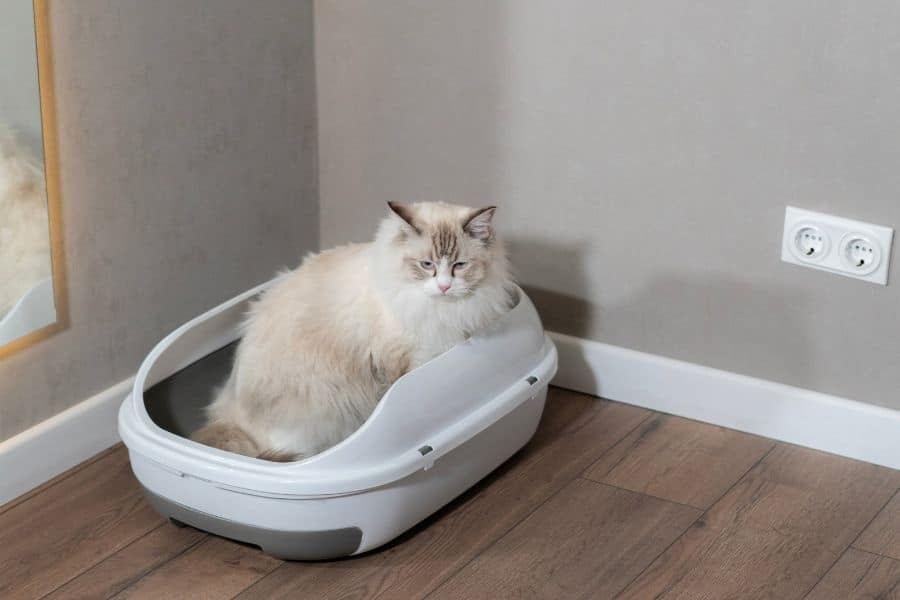
Cats are naturally clean animals, and a dirty bathroom can quickly turn into a stressed cat and a smelly home. Keeping your cat’s litter box clean is about more than odor control. It protects your cat’s health, supports good habits, and helps you notice early warning signs. As part of everyday cat preventive care, litter box routines are a simple way to keep your cat comfortable, and our team at Epic Tails Veterinary Clinic is happy to share what we’ve learned helping Charlotte cat owners. This guide covers box setup, cleaning routines, stress reducers, and signs that mean it’s time to call your vet.
Why a Clean Litter Box Matters
A dirty box can cause real problems:
- Avoidance: Many cats refuse to use a box they find unpleasant and may go elsewhere in the house.
- Stress: A messy, smelly, or poorly placed box can make a cat anxious.
- Health risks: Waste buildup can expose your cat to bacteria, and reluctance to use the box may lead to holding urine.
- Missed clues: Cleaning regularly helps you see changes in urine and stool early.
Think of the litter box as both a bathroom and a health monitor.
Choose the Right Litter Box
Size
Pick a box large enough for your cat to turn around, dig, and squat comfortably. A common guideline is a box about one and a half times your cat’s length. Many cats prefer a roomy, open box over a small, cramped one.
Covered or Uncovered
Covered boxes can help contain odor and litter scatter, but some cats feel trapped inside. Uncovered boxes give easy entry and exit and may suit nervous cats better. If you’re unsure, try an open box first and watch how your cat responds.
Easy Access
Kittens, seniors, and cats with joint problems may struggle with high sides. Look for a low entry point so your cat doesn’t have to climb or jump to reach it.
Pick Litter Your Cat Will Actually Use
Cats can be picky about litter. Here are some considerations:
- Unscented is usually safest. Cats have sensitive noses, and strong perfumes can turn them off.
- Low-dust formulas are helpful for cats (and people) who sneeze or have respiratory sensitivities.
- Texture matters. Some cats dislike certain textures on their paws.
- Don’t switch suddenly. If you want to try a new litter, mix it in gradually with the old one.
If you have a kitten, ask your veterinarian which litter is appropriate for their age.
Where to Put the Litter Box
Location can make or break litter box success:
- Choose a quiet, low-traffic spot away from noisy appliances.
- Keep it away from food and water bowls.
- Avoid dead-end corners where your cat could feel trapped.
- If you live in a multi-level home, offer a box on each floor.
Many Charlotte pet parents live in apartments, condos, and townhomes where space is tight. If your cat’s box is in a small bathroom or closet, make sure the door can’t swing shut and that the space isn’t too tight for your cat to enter comfortably.
How Many Litter Boxes Do You Need?
A good rule of thumb is one box per cat, plus one extra. For example, a two-cat household should have three boxes. Cats may not want to share, and multiple boxes help prevent conflict and accidents.
Daily and Weekly Cleaning Routine
Consistency is the best way to keep your cat’s litter box clean.
Every Day
- Scoop at least once daily, and twice is even better, especially in multi-cat homes.
- Top off litter as needed so there’s enough depth for digging.
- Seal waste in a bag before throwing it out, which helps limit odor in Charlotte’s warm, humid months.
On a Regular Schedule
- Empty the box completely and replace the litter. How often depends on the litter type and the number of cats, but many homes do this about every one to two weeks.
- Wash the box with mild, unscented soap and warm water. Rinse well and dry before refilling.
- Avoid harsh chemicals and strong fragrances, since these can irritate your cat’s nose and skin and may turn your cat off from using the box.
- Replace the box when it’s scratched or worn, since odor and bacteria can cling to damaged plastic.
Odor Control Without Chemicals
If your home gets stuffy during humid summers, focus on more frequent scooping, good ventilation near the box, and a routine deep clean. Avoid spraying air fresheners near the box.
Reduce Litter Box Stress
A stress-free environment encourages healthy bathroom habits. Try these tips:
- Keep the routine steady. Cats like predictability.
- Give your cat privacy without making the box hard to reach.
- Manage multi-pet conflicts. Make sure other pets can’t ambush your cat in the box area.
- Plan for changes. Moves, new pets, guests, construction noise, and schedule shifts can all stress a cat. Offer extra reassurance during these times.
- Never punish accidents. Punishment can increase fear and worsen the problem.
If your cat has accidents, clean them thoroughly with a pet-safe enzyme cleaner so lingering smells don’t invite repeat visits.
Troubleshooting Common Litter Box Problems
Peeing outside the box: This can be a medical issue, a stress response, or a dislike of the box or litter. Rule out health problems first by talking to your vet.
Eliminating next to the box: The box may be too dirty, too small, or in a bad location.
Scattering litter: Try a box with higher sides or place a mat under and around it.
Sudden changes in habits: Always treat these as a reason to call your veterinarian, since they can point to a medical issue.
When Litter Box Changes Mean It’s Time to See a Vet
Litter box changes are often a cat’s way of telling you something is wrong. Contact your veterinarian if you notice:
- Frequent trips to the box with little output
- Crying or straining in the box
- Blood in the urine or stool
- Peeing outside the box suddenly
- Diarrhea, constipation, or a big change in stool
- A big change in how much urine your cat passes
If you see signs of a cat straining to pee, don’t wait. Read our guide on cat straining to pee, because a blockage can be an emergency.
Make Litter Care Part of Your Cat’s Wellness Plan
Your cat’s bathroom habits are one piece of the bigger picture. Regular exams, parasite protection, dental checks, and good nutrition all work together, and consistent preventative care helps your veterinarian spot changes early. Share any litter box changes with your vet at each visit, since small observations can matter.
Schedule a Visit With Epic Tails Veterinary Clinic
If your cat is avoiding the litter box, having accidents, or showing changes in their bathroom habits, our Charlotte team can examine your cat and help you find the cause.
Is your cat’s litter box routine changing or causing stress? Schedule an appointment with Epic Tails Veterinary Clinic today, and our team will help you find answers and keep your cat comfortable.
Frequently Asked Questions
Q1. How often should I clean my cat’s litter box?
Ans: Scoop at least once a day. Fully empty, wash, and refill the box on a regular schedule, often every one to two weeks depending on the litter and how many cats use it.
Q2. How many litter boxes should I have?
Ans: A good guideline is one box per cat plus one extra. Place them in different spots around your home so cats don’t have to compete.
Q3. Why is my cat suddenly not using the litter box?
Ans: Common reasons include a dirty box, new litter, stress, conflict with other pets, or a medical problem. If it happens suddenly or continues, see your veterinarian.
Q4. What kind of litter is best for cats?
Ans: There’s no single best litter. Many cats prefer unscented, low-dust litter, but your cat’s preferences matter most. Introduce any new litter gradually.
Q5. When is a litter box problem an emergency?
Ans: Straining to pee, crying in the box, passing little or no urine, or blood in the urine needs immediate veterinary care, especially for male cats.



Schedule Your Pet’s Visit Today
For dedicated and professional veterinary care designed to meet your pet's specific needs, please schedule an appointment.