
🐾 Epic Tails Academy (Quarterly Event) • Learn More ›
Year-Round Parasite Defense: Why Charlotte Pets Need Constant Protection


When pet owners think about parasites, they often picture warm summer days. In reality, many parasites don’t disappear when the seasons change. Thanks to Charlotte’s humid climate and relatively mild winters, fleas, ticks, and mosquitoes can remain active for much of the year. That means protecting your pet isn’t just a seasonal task—it’s an important part of preventative pet care throughout every month.
Many people assume the risk disappears once temperatures cool down, but “low risk” doesn’t mean “no risk.” Parasites can still survive in favorable conditions, making consistent prevention one of the smartest ways to support your pet’s long-term health.
Why Charlotte’s Climate Keeps Parasites Active
Charlotte’s weather creates an environment where parasites can thrive longer than many pet owners expect. Warm temperatures combined with humidity allow fleas and ticks to remain active well beyond the summer months.
Mosquitoes, which can transmit heartworms, may also be present throughout much of the year whenever temperatures remain favorable. Because weather patterns can change quickly, relying solely on the calendar isn’t enough to determine your pet’s level of exposure.
That’s why veterinarians encourage year-round protection instead of seasonal prevention.
The Myth That Indoor Pets Are Safe
One of the biggest misconceptions is that indoor pets don’t need parasite protection.
The truth is that fleas don’t need an invitation. They can hitch a ride into your home on shoes, clothing, bags, or even visitors. Once inside, they can quickly become a household problem.
Even pets that rarely spend time outdoors may still face exposure through:
- Family members returning from outside
- Other household pets
- Open doors and windows
- Shared outdoor spaces such as patios
Indoor living reduces exposure, but it doesn’t eliminate it.
Heartworms Aren’t Just a Summer Concern
Mosquito activity isn’t limited to a single season in North Carolina. As long as weather conditions remain suitable, mosquitoes may continue to appear.
Heartworm disease often develops quietly, with pets showing few obvious signs in the early stages. Because prevention is much easier than treatment, veterinarians recommend maintaining protection throughout the year instead of stopping during cooler months.
Annual heartworm testing also helps ensure preventive plans continue working effectively.
“Low Risk” Doesn’t Mean “No Risk”
According to the 2026 Companion Animal Parasite Council (CAPC) forecast, parasite exposure remains a concern across many regions, including North Carolina. While activity levels may fluctuate during colder periods, the possibility of exposure doesn’t completely disappear.
For pet owners, this means waiting until parasites become highly visible isn’t the safest strategy. Consistent preventive care helps reduce the chances of unwanted surprises throughout the year.
Make Preventative Pet Care Part of Your Routine
Parasite prevention works best when it’s included in your pet’s overall wellness plan rather than treated as an occasional task.
A proactive routine may include:
- Regular wellness examinations
- Annual parasite screening
- Heartworm testing
- Flea and tick prevention
- Monitoring changes in your pet’s skin or coat
- Following your veterinarian’s recommendations year-round
These simple steps help support healthier, happier pets while reducing the likelihood of parasite-related problems.
Pet Wellness Care Goes Beyond Parasite Prevention
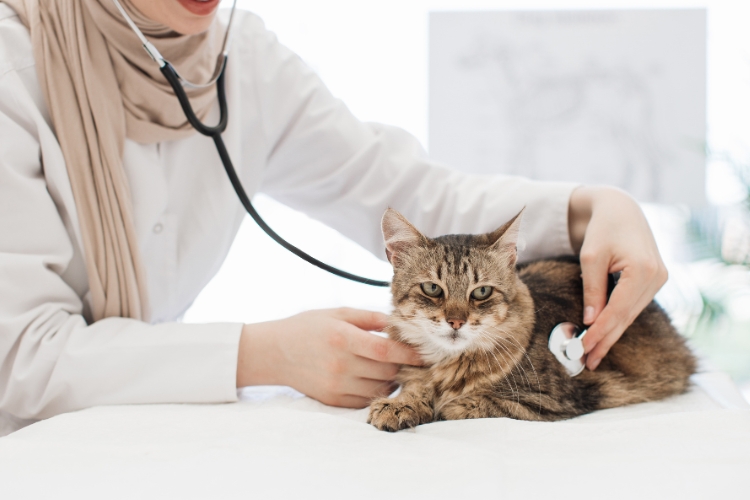
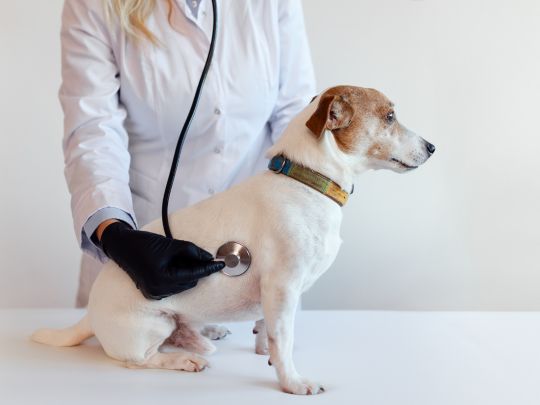
Pet Wellness Care is about more than addressing health concerns as they arise. It focuses on maintaining your pet’s overall well-being through consistent monitoring, preventive services, nutrition guidance, and routine examinations.
By combining wellness visits with year-round parasite protection, veterinarians can better monitor changes in your pet’s health and recommend adjustments when needed.
Protect Your Pet Every Season
Parasites don’t always follow the calendar, especially in Charlotte. Staying proactive throughout the year gives your pet continuous protection regardless of changing weather conditions.
At Epic Tails Veterinary Clinic, we believe prevention is one of the most valuable investments you can make in your pet’s health. Our team is here to help you build a personalized parasite prevention and wellness plan that fits your pet’s lifestyle. Schedule your pet’s annual wellness visit today and keep them protected all year long.
FAQs
Q1. Why do pets need parasite protection during cooler months?
Charlotte’s mild winters allow fleas, ticks, and mosquitoes to remain active longer than many people expect. Consistent prevention helps reduce your pet’s exposure throughout the year.
Q2. Can indoor pets still get fleas?
Yes. Fleas can enter your home on shoes, clothing, bags, or visitors. Even pets that stay indoors can become exposed if fleas are introduced into the home.
Q3. How often should my pet be tested for heartworms?
Veterinarians generally recommend annual heartworm testing as part of routine preventive care to help ensure your pet remains protected.
Q4. What are the benefits of year-round parasite prevention?
Continuous protection helps reduce the risk of flea infestations, tick exposure, and heartworm disease while supporting your pet’s overall health and comfort.
Q5. How does preventive care support my pet’s long-term health?
Regular wellness visits allow veterinarians to monitor your pet’s health, identify potential concerns early, and recommend preventive measures that help keep them healthy throughout every stage of life.

Schedule Your Pet’s Visit Today
For dedicated and professional veterinary care designed to meet your pet's specific needs, please schedule an appointment.