
🐾 Epic Tails Academy (Quarterly Event) • Learn More ›
Protecting Paws: How to Keep Charlotte Dogs Safe from Summer Heat & Hot Asphalt

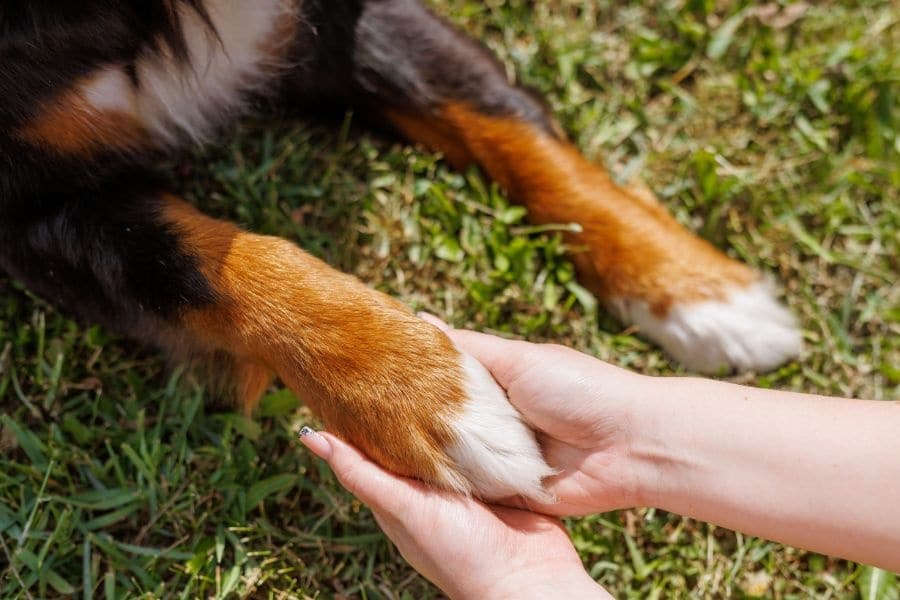
When summer arrives in the Queen City, the humid Carolinas air and sun-drenched streets transform our favorite outdoor spaces. Whether you are strolling through the vibrant neighborhoods of South End, Plaza Midwood, or Dilworth, or enjoying a scenic morning jog down the Little Sugar Creek Greenway, summer is a wonderful time to explore with your canine companion. However, high temperatures bring hidden hazards that every local pet parent needs to know. Protecting paws and preventing heat-related illnesses should be top priorities to ensure your furry friend stays safe all season long.
The Hidden Danger: Hot Asphalt and Charlotte Pavement
One of the most common yet overlooked dangers during a Charlotte summer is the temperature of pavement and asphalt. Many owners assume that if the air feels reasonably warm, the ground is fine. Unfortunately, the physics of urban surfaces tell a vastly different story.
When the ambient air temperature hits a seemingly mild 85°F to 90°F, asphalt absorbs solar radiation and can skyrocket to a scorching 135°F to 140°F. At these temperatures, human skin would suffer severe burns within seconds and the exact same danger applies to your dog’s delicate paw pads. Walking a dog across a sun-baked parking lot or urban sidewalk in the middle of the day can lead to painful blistering, peeling, and severe thermal burns.
The 5-Second Pavement Rule
Before heading out for a walk on asphalt or concrete around Charlotte, place the back of your hand against the pavement and hold it there for five seconds. If it is too hot for your hand, it is entirely too hot for your dog’s paws. Opt for shaded dirt trails or grassy verges instead.
Recognizing the Signs of Heatstroke in Dogs
Charlotte summers are characterized by high humidity. Because dogs do not sweat like humans and instead rely primarily on panting to regulate their body temperature, high humidity makes it significantly harder for them to cool down. This puts dogs at a much higher risk of heat exhaustion and life-threatening heatstroke.
Early Warning Signs of Overheating
- Excessive, heavy panting that does not slow down even when resting.
- Thick, sticky saliva or excessive drooling.
- Bright red gums and tongue.
- Lethargy, weakness, or an uncoordinated gait.
Severe Symptoms Requiring Emergency Vet Care
- Vomiting or bloody diarrhea.
- Bright red, purple, or pale gums.
- Collapse, seizures, or unconsciousness.
If you suspect your dog is experiencing heatstroke, act immediately. Move them into an air-conditioned environment or vehicle, offer small amounts of cool (never ice-cold) water, and wet their fur with tepid water. Contact emergency animal hospital or your local Charlotte veterinarian or right away.
Smart Strategies for Summer Dog Walking in Charlotte
You don’t have to stay cooped up indoors all summer, but you do need to adjust your routine to protect your dog’s health and safety.
1. Timing is Everything
Shift your routine to take advantage of the coolest parts of the day. Head out for early morning walks before the sun bakes the pavement, or wait until late evening after the asphalt has had time to release its trapped heat. Keep midday outings brief and strictly limited to potty breaks on natural grass.
2. Choose Cooler Exploration Spots
Swap urban sidewalks for shaded natural environments. Charlotte offers fantastic options like McAlpine Creek Park or shaded sections of Freedom Park where tree canopies block direct sunlight and keep walking surfaces significantly cooler.
3. Consider Protective Gear and Hydration
If walking on pavement is unavoidable, consider investing in fitted dog booties to shield sensitive paws. Specialized paw waxes can also create a protective barrier against hot surfaces. Always carry a portable collapsible bowl and fresh water to keep your dog hydrated during every outing.
Frequently Asked Questions
Q1. Can dogs build up calluses to handle hot asphalt in Charlotte?
Ans: While older dogs may have tougher paw pads than puppies, no dog’s paws are immune to 140°F asphalt. Severe thermal burns can happen to any dog regardless of breed or age. Always test the pavement first.
Q2. What are the best local parks for walking dogs during hot weather?
Ans: Look for areas with dense tree cover and natural soil paths, such as the shaded stretches of the Little Sugar Creek Greenway, Freedom Park, or Reedy Creek Nature Preserve. These spots offer much cooler walking conditions than exposed concrete sidewalks.
Q3. How can I cool my dog down safely if they show signs of heat exhaustion?
Ans: Move them to an air-conditioned room immediately. Offer cool drinking water in small increments. You can apply cool (not ice-cold) wet towels to their paws, groin, and neck, or use a fan to circulate air. Never submerge an overheated dog in ice water, as sudden temperature drops can cause dangerous complications.
Q4. Should I use dog boots for summer walks?
Ans: Yes! High-quality protective boots or booties are an excellent investment for urban dog owners in Charlotte who must walk across asphalt and concrete during warmer months.
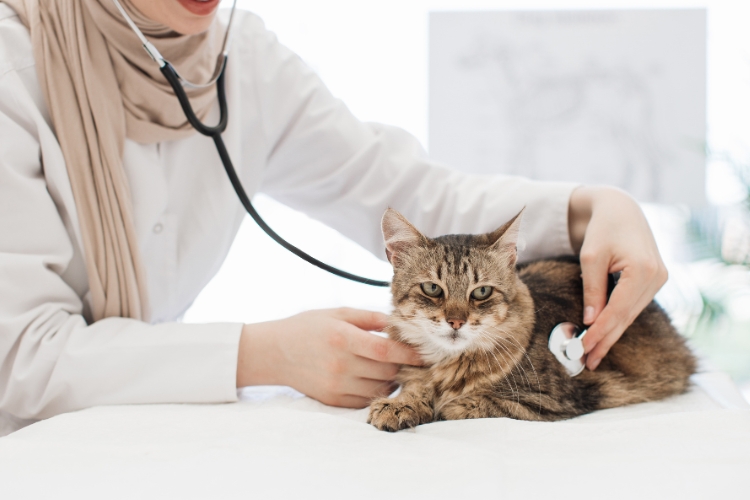
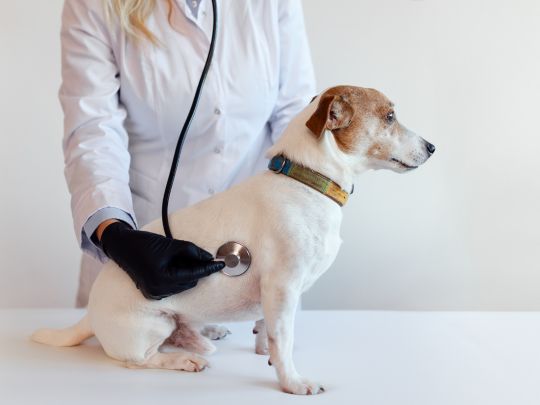
Concerned about your pet’s summer wellness or need guidance on keeping your dog healthy through the Carolinas heat? Contact our clinic today to schedule a checkup or consult with our veterinary team.
Schedule Your Pet’s Visit Today
For dedicated and professional veterinary care designed to meet your pet's specific needs, please schedule an appointment.