
🐾 Epic Tails Academy (Quarterly Event) • Learn More ›
What Preventive Care Services Does Your Cat Need Each Year?

Caring for a cat goes beyond food, water, and a cozy place to rest. Preventive care plays a major role in keeping your cat healthy, active, and free from avoidable illnesses. Many health problems can be managed or even prevented when they are detected early through routine care and regular checkups.
This guide is especially for pet owners in Charlotte, NC, who want to understand what their cat truly needs each year. Clear information about cat preventive care helps you stay ahead of health concerns and gives your cat a better quality of life over time.
Why Annual Preventive Care Matters for Cats
Cats rarely show pain in obvious ways, which often leads owners to believe everything is fine when something may already be developing beneath the surface. Subtle shifts like sleeping more, eating less, or avoiding interaction can easily be missed without trained observation. Preventive care focuses on catching quiet warning signs early, before they become conditions that affect your cat’s comfort and daily life.
Consistent yearly visits to a veterinarian create a clear picture of your cat’s normal health patterns. Weight trends, dental changes, and behavior differences become easier to spot when there is a record to compare over time. What may seem like a minor change at home can signal something important during a routine exam, allowing for quicker and more effective care.
Preventive care is not only about addressing problems when they appear. It helps shape a personalized plan that fits your cat’s age, indoor or outdoor lifestyle, and specific health risks. Taking a proactive approach reduces the risk of unexpected health issues, lowers the risk of long-term complications, and helps your cat stay active, comfortable, and healthy throughout every stage of life.
Routine Wellness Exams Keep Your Cat on Track
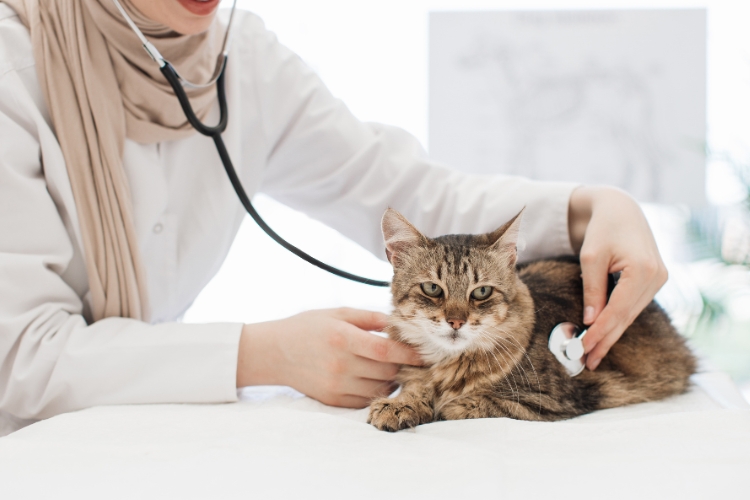
Wellness exams are the foundation of preventive care. These visits allow the vet to assess your cat’s overall health and identify any concerns early. A physical exam includes checking the eyes, ears, teeth, skin, and body condition.
During the visit, your cat’s weight and vital signs are recorded. These details help detect trends that may indicate underlying issues. Regular exams also provide an opportunity to discuss your cat’s diet, behavior, and daily habits.
What Happens During a Wellness Visit
- Full body check: A careful examination helps identify lumps, skin issues, or signs of discomfort.
- Weight monitoring: Tracking weight helps prevent obesity and related health problems.
- Behavior discussion: Changes in activity or habits can reveal hidden health concerns.
- Health history review: Records help guide future care and treatment decisions.
Routine wellness visits help establish a strong baseline for health, making it easier to notice changes over time.
Vaccinations Protect Against Common Diseases
Vaccinations are an essential part of your cat’s yearly care plan. They protect against serious diseases that can affect your cat’s health and well-being. Even indoor cats benefit from vaccinations, as some illnesses can still be transmitted.
A veterinarian will recommend vaccines based on your cat’s age, lifestyle, and risk factors. Keeping vaccinations up to date reduces the risk of infection and helps protect other pets as well.
Core Vaccines Your Cat May Need
- Rabies protection: Required by law in many areas and protects against a serious viral disease.
- Feline distemper vaccine: Helps prevent a highly contagious and potentially life-threatening illness.
- Respiratory infection vaccines: Protect against common upper respiratory infections in cats.
Vaccination schedules may vary, so regular visits ensure your cat receives the right protection at the right time.
Parasite Prevention is a Year-Round Priority
Parasites can affect your cat’s health even if they stay indoors most of the time. Fleas, ticks, and intestinal parasites can cause discomfort and lead to more serious conditions if left untreated.
Preventive treatments help keep your cat protected throughout the year. A vet can recommend the best options based on your cat’s environment and lifestyle.
Common Parasite Prevention Services
- Flea and tick control: Prevents itching, skin irritation, and disease transmission.
- Deworming treatments: Help eliminate intestinal parasites that can affect digestion.
- Heartworm prevention: Protects against a serious condition spread by mosquitoes.
Consistent parasite prevention keeps your cat comfortable and reduces the risk of infections that can impact overall health.
Dental Care Should Not Be Overlooked
Oral health is a key part of preventive care for cats. Dental disease is common and can lead to pain, infection, and difficulty eating. Regular dental checkups help detect problems early.
A veterinarian may recommend professional cleanings when needed. At-home care can also help maintain oral health between visits.
Signs Your Cat May Need Dental Care
- Bad breath: A persistent odor may indicate bacterial buildup or an infection.
- Difficulty eating: Painful teeth can make chewing uncomfortable.
- Red or swollen gums: Gum inflammation is often an early sign of dental disease.
Addressing dental issues early helps prevent more serious problems and improves your cat’s comfort.
Nutrition and Weight Management Matter
Proper nutrition plays a major role in your cat’s overall health. A balanced diet supports energy levels, organ function, and a healthy coat. During annual visits, the vet can review your cat’s diet and suggest adjustments if needed.
Weight management is also important. Overweight cats are at higher risk for conditions such as diabetes and joint problems. Regularly monitoring your cat’s weight helps keep it within a healthy range.
Tips for Maintaining a Healthy Weight
- Measure food portions: Controlled feeding helps prevent overeating and weight gain.
- Encourage daily activity: Playtime keeps your cat active and mentally engaged.
- Choose balanced diets: High-quality food supports long-term health and well-being.
Small changes in diet and activity can make a big difference in your cat’s health.
Senior Cats Need Extra Attention
As cats age, their health needs change. Senior cats may require more frequent checkups and additional screenings. Early detection of age-related conditions helps manage them more effectively.
A veterinarian may recommend blood tests, urine tests, or imaging to monitor organ function. These tests help identify issues such as kidney disease or thyroid problems before symptoms become severe.
Common Senior Cat Care Needs
- Regular health screenings: Early detection helps manage chronic conditions effectively.
- Joint health monitoring: Aging cats may develop stiffness or reduced mobility.
- Diet adjustments: Nutritional needs change as cats grow older.
Providing extra care for senior cats helps maintain their comfort and quality of life.
Grooming and Skin Health Checks
Regular grooming is another important part of preventive care. Brushing your cat helps remove loose hair, reduce shedding, and prevent matting. It also allows you to check for skin issues such as lumps or irritation.
Skin health is closely linked to overall health. Changes in coat condition or excessive scratching may indicate underlying problems. A veterinarian can evaluate these signs and recommend appropriate care.
Grooming Benefits for Cats
- Improved coat condition: Regular brushing keeps the coat clean and healthy.
- Early detection of skin issues: Checking your cat’s skin helps identify problems early.
- Reduced hairballs: Removing loose hair lowers the risk of hairball formation.
Consistent grooming supports your cat’s comfort and overall well-being.
Behavior and Lifestyle Assessments
Behavior changes can be early signs of health issues in cats. Annual visits provide an opportunity to discuss any changes in your cat’s habits or routine. A veterinarian can help determine whether these changes are related to health or environment.
Lifestyle assessments also help tailor preventive care. Indoor cats, outdoor cats, and multi-pet households may have different needs. Understanding your cat’s daily life helps create a care plan that fits their unique situation.
Keep Your Cat Healthy All Year Long
Preventive care is the key to a long and healthy life for your cat. Regular checkups, vaccinations, parasite prevention, and proper nutrition all work together to maintain your cat’s well-being. Epic Tails Veterinary Clinic provides preventive care services designed to address your cat’s health needs and detect issues early for better outcomes.
If you are in Charlotte and looking for preventive care for your cat, book an appointment with Epic Tails Veterinary Clinic today. Their veterinary team will help create a care plan that keeps your cat healthy, comfortable, and thriving.
FAQs
1. How often should my cat visit a veterinarian for preventive care?
Most cats should visit a veterinarian at least once a year for preventive care. Senior cats or those with health conditions may need more frequent visits to monitor changes and maintain health.
2. Are indoor cats required to get vaccinations every year?
Indoor cats still need vaccinations as recommended by a veterinarian. Some diseases can spread through indirect contact, making routine vaccinations important even for cats that stay indoors.
3. What is included in a cat wellness exam?
A wellness exam includes a full physical check, weight monitoring, dental evaluation, and a discussion about diet and behavior. It helps identify early signs of health issues and maintain overall well-being.
4. How can I tell if my cat has parasites?
Signs of parasites may include itching, weight loss, vomiting, or changes in stool. A veterinarian can perform tests to confirm and recommend the right treatment for your cat.
5. When should I start preventive care for my kitten?
Preventive care should begin as early as possible for kittens. Early visits help establish vaccination schedules, monitor growth, and ensure your kitten develops into a healthy adult cat.


Schedule Your Pet’s Visit Today
For dedicated and professional veterinary care designed to meet your pet's specific needs, please schedule an appointment.