
🐾 Epic Tails Academy (Quarterly Event) • Learn More ›
Annual Pet Wellness Exams: Essential for a Longer, Healthier Life

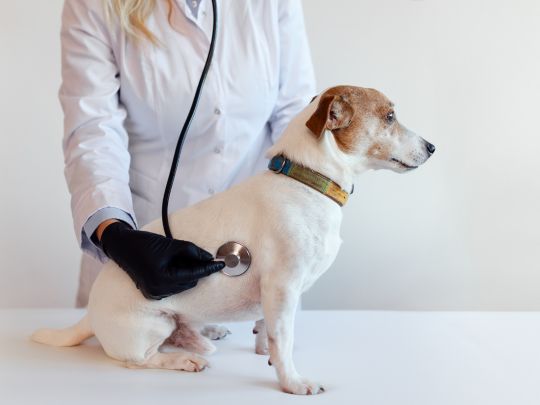
Every pet owner wants their furry companion to enjoy a long, happy, and healthy life. However, achieving this goal requires more than love, playtime, and nutritious meals. Regular veterinary care—especially annual wellness exams—is a vital part of preventive health. These checkups help identify issues early, track changes over time, and ensure your pet receives the best care at every stage of life.
In this guide, we’ll explore why annual pet wellness exams are crucial, what they include, and how they support your pet’s overall well-being.
Why Annual Wellness Exams Are Important
Annual pet wellness exams act as the foundation for maintaining good health. Even when your pet seems perfectly fine, underlying conditions may go unnoticed. Moreover, pets age faster than humans, meaning their bodies change significantly in a short time. Regular checkups help catch diseases early, when treatment is most effective.
In addition, wellness exams allow you to discuss nutrition, behavior, and lifestyle with your veterinarian. These conversations provide valuable guidance tailored to your pet’s needs.
What Happens During a Pet Wellness Exam?
A comprehensive wellness exam covers multiple aspects of your pet’s health. During the visit, your veterinarian evaluates your pet from nose to tail, ensuring every area is functioning as it should.
1. Physical Examination
The physical exam includes checking:
- Eyes
- Ears
- Skin and coat
- Teeth and gums
- Heart and lungs
- Abdomen
- Joints and muscles
This full assessment helps detect early signs of infections, pain, injuries, or abnormalities.
2. Vaccination Review and Updates
Vaccinations protect pets from potentially life-threatening diseases. The vet reviews your pet’s vaccination status and administers boosters as needed. Additionally, they may recommend lifestyle-based vaccines for pets who travel, go outdoors, or interact with other animals.
3. Parasite Prevention
Parasites like fleas, ticks, and worms can significantly affect your pet’s health. During the exam, the vet:
- Reviews your pet’s current prevention routine
- Checks for signs of parasites
- Recommends effective preventives
Preventing parasites is easier—and safer—than treating an infestation.
4. Nutritional and Weight Assessment
Weight plays a vital role in your pet’s overall health. During the wellness exam, the vet evaluates:
- Body condition
- Feeding habits
- Treat intake
- Nutritional needs
Because obesity can lead to diabetes, joint issues, heart disease, and reduced lifespan, managing weight early is essential.
5. Dental Health Check
Dental problems are common in pets and often go untreated. As plaque builds, it leads to gum disease, tooth decay, and even organ damage. During the exam, the vet checks for:
- Bad breath
- Gum inflammation
- Tartar buildup
- Loose or damaged teeth
They may recommend a professional dental cleaning to remove hidden bacteria.
6. Diagnostic Testing
Depending on your pet’s age and health, your vet may suggest additional testing. These tests offer deeper insights into internal health:
- Bloodwork
- Urinalysis
- Fecal exam
- X-rays (if needed)
Such tests help detect liver disease, kidney issues, thyroid disorders, infections, and more—long before symptoms become visible.
The Benefits of Annual Pet Wellness Exams
Wellness exams offer several advantages that contribute to a longer, healthier life for your pet. Some of the most significant benefits include:
1. Early Disease Detection
Catching health issues early increases treatment success and reduces long-term costs. Many conditions—such as heart disease, arthritis, or diabetes—develop slowly but respond best when addressed early.
2. Improved Quality of Life
Wellness exams help ensure your pet feels comfortable, energetic, and pain-free. By addressing small concerns promptly, you prevent them from developing into major problems.
3. Customized Care Throughout Life
Puppies, adult pets, and seniors have different needs. The vet tailors recommendations based on your pet’s:
- Age
- Breed
- Lifestyle
- Medical history
This ensures your pet receives age-appropriate care at all times.
4. Strengthened Pet–Owner–Vet Relationship
Consistent annual visits help build trust. Your vet becomes familiar with your pet’s personality and medical trends, making it easier to notice changes and offer targeted advice.
5. Prevention Over Treatment
Preventive care saves money, reduces stress, and promotes long-term health. Regular exams allow your vet to recommend:
- Parasite preventives
- Dietary improvements
- Behavioral support
- Dental cleanings
Taking these preventive steps keeps your pet healthier and happier.
Should Senior Pets Visit the Vet More Often?
Yes. As pets age, their needs change dramatically. Senior pets may require wellness exams every six months instead of once a year. Age-related conditions such as arthritis, kidney disease, heart issues, and cognitive decline often progress quickly. More frequent checkups help monitor changes and adjust treatment plans promptly.
How to Prepare for Your Pet’s Wellness Exam
Preparing for the exam helps ensure you make the most of your visit. Before the appointment, consider:
- Bringing a list of questions or concerns
- Tracking changes in eating or drinking habits
- Noting shifts in behavior or mobility
- Collecting stool samples if requested
- Bringing vaccination records
Additionally, remain calm during the appointment. Pets often sense your emotions, so a relaxed attitude helps them stay comfortable.
Annual wellness exams are essential for ensuring your pet enjoys a long, healthy, and active life. By prioritizing preventive care, you support early disease detection, better overall well-being, and a more personalized approach to health. When your pet receives regular checkups, you gain peace of mind knowing they are thriving at every stage of life. For expert guidance and compassionate care, schedule pet wellness exams in Charlotte, NC with a trusted veterinary team dedicated to your pet’s lifelong health.
FAQs
Q1. How often should my pet have a wellness exam?
Ans. Most pets should visit the vet at least once a year. Senior pets may need exams every six months.
Q2. Are wellness exams necessary if my pet seems healthy?
Ans. Yes. Many health conditions develop quietly. Wellness exams help detect hidden issues early.
Q3. What tests are included in a pet wellness exam?
Ans. A complete exam may include blood work, urinalysis, fecal testing, physical exams, and parasite checks.
Q4. Do indoor pets need annual checkups?
Ans. Absolutely. Indoor pets can still develop diseases, dental issues, or weight-related problems.
Q5. Can a wellness exam help with behavioral problems?
Ans. Yes. Many behavioral changes stem from underlying medical or environmental issues.
Q6. How can I prepare for my pet’s wellness visit?
Ans. Bring medical records, note recent behavior changes, and prepare questions to discuss with your vet.

Schedule Your Pet’s Visit Today
For dedicated and professional veterinary care designed to meet your pet's specific needs, please schedule an appointment.